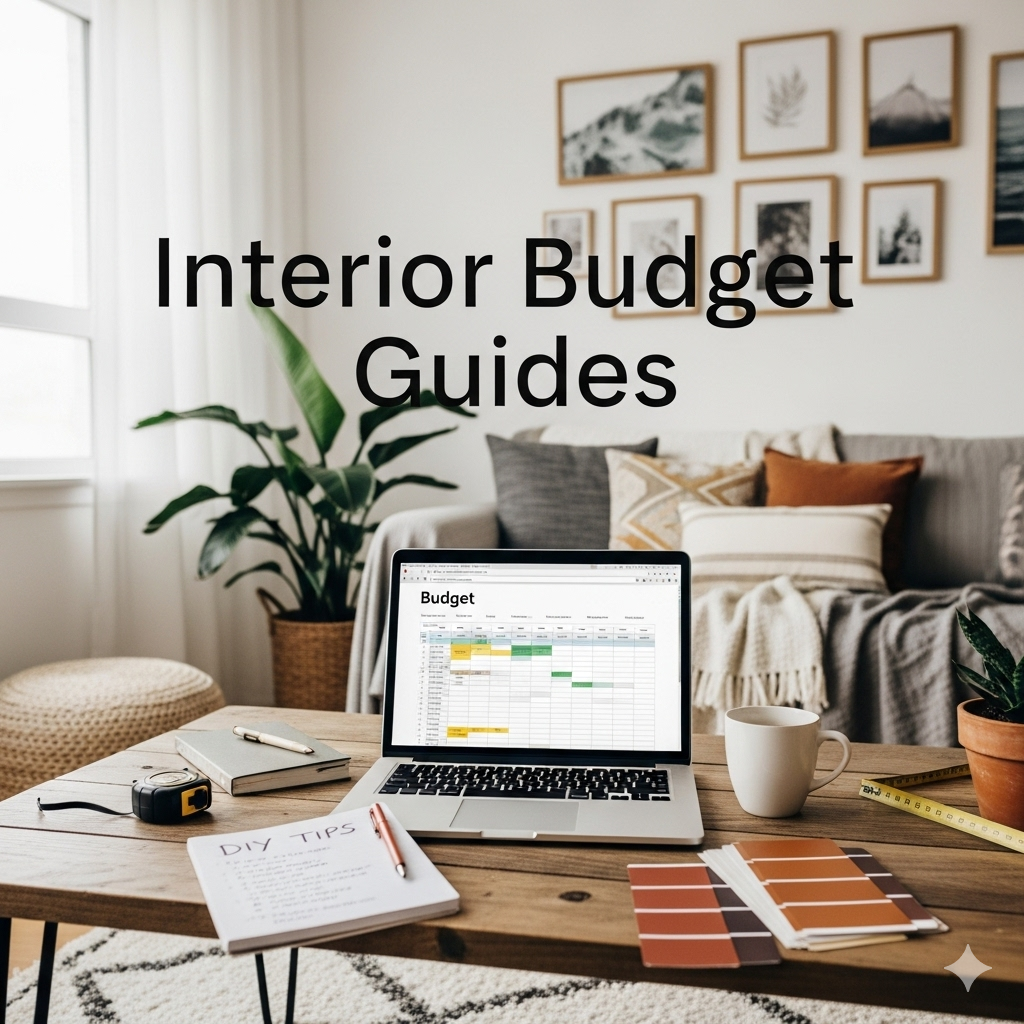
Interior Budget Guides
Designing your dream home is exciting, but without proper planning, costs can spiral out of control. That’s where Home interior cost guides come in—helping you plan, prioritize, and execute interiors that fit your lifestyle without overspending. Whether you’re working on a 2BHK flat, a luxury villa, or a commercial space, smart budgeting ensures that every rupee is well-spent.
Interior budgeting is not just about cutting costs. It’s about finding the perfect balance between functionality, aesthetics, and affordability. With the right strategies, you can design a space that feels premium, even on a limited budget.
SPACE – Suggestion: Want a customized budget plan for your interiors?
Connect with InteriorGrid.com and get expert guidance today!
Table of Contents
Why Interior Budget Guides Are Essential
When it comes to designing or renovating a home, Home interior cost guides act as a foundation for smart decision-making. They bring clarity, structure, and financial control to the entire design process. Without a clear guide, expenses often spiral out of control, leaving homeowners frustrated and projects incomplete. A well-structured interior budget provides a roadmap that balances creativity with practicality, ensuring that your dream home comes to life without financial stress.
Key Components of Home interior cost guidesInterior Budget Guides: The Ultimate Tool for Smart Home Design
Interior Budget Guides are more than just a number on paper—they are a strategic blueprint that ensures your interior design project is smooth, cost-effective, and aesthetically pleasing. Implementing a robust interior budget guide offers multiple advantages for homeowners, designers, and contractors alike.
Prevents Overspending
One of the primary benefits of an interior budget guide is that it prevents overspending. By clearly defining spending limits for every component—furniture, lighting, flooring, and décor—it minimizes impulse purchases. Whether it’s that luxurious chandelier or designer sofa, a detailed interior budget guide ensures every expense is planned, preventing unnecessary financial strain.
Improves Planning
A well-structured interior budget guide improves planning by allocating funds systematically. It allows homeowners to prioritize essentials like modular kitchens and wardrobes while ensuring that secondary items like decorative pieces fit within the remaining budget. Improved planning through interior budget guides ensures that every room is functional, stylish, and completed on time.
Enhances Value
Investing wisely in high-quality items becomes simpler with an interior budget guide. It enhances value by guiding homeowners to focus spending on items that provide long-term benefits. Modular kitchens, durable flooring, and smart storage solutions are examples where a guided investment increases ROI. Using an interior budget guide ensures your money translates into both comfort and resale value.
Saves Time
Another critical advantage of interior budget guides is that they save time. Contractors and designers can work efficiently when costs and priorities are clearly outlined. Pre-set budgets prevent delays caused by last-minute decisions, substitutions, or sourcing issues. An interior budget guide acts as a roadmap, keeping timelines on track while ensuring quality work.
Boosts Confidence
Finally, a comprehensive interior budget guide boosts confidence. Clear cost expectations reduce stress, allowing homeowners to make decisions confidently. Whether it’s selecting lighting, flooring, or furniture, knowing your financial boundaries helps you avoid anxiety and enjoy the design process. An interior budget guide turns what could be a chaotic, overwhelming project into a rewarding, satisfying experience.
Why You Need an Interior Budget Guide
- Prevents Overspending: Keeps finances in check and discourages impulsive purchases.
- Improves Planning: Ensures systematic allocation for all interior elements.
- Enhances Value: Guides investment in high-quality, long-lasting items.
- Saves Time: Streamlines contractor and designer workflows.
- Boosts Confidence: Provides peace of mind and clarity throughout the project.
In short, an interior budget guide is essential for anyone planning a home renovation or interior design project. It not only controls costs but also ensures smart spending, efficient timelines, and long-term satisfaction.
Plan Your Dream Home Within Budget
Explore our comprehensive Interior Budget Guides to manage costs, avoid overspending, and prioritize every detail.
Creating a dream home isn’t just about imagination—it also demands smart financial planning. An interior budget guide provides a clear roadmap, helping homeowners track expenses and make informed decisions. Without it, unexpected costs, unfinished work, or quality compromises can quickly arise. By dividing the project into key components, you gain a complete picture of where funds are allocated and how to get the most value. Here, we explore the essential elements that form the foundation of an effective interior budget.
Civil Work
Civil work is usually the first and most crucial step in interior projects. It sets the structural base on which all design elements will later be added.
- Demolition & Remodeling
- This phase forms the foundation of any major interior project. It involves carefully tearing down existing structures such as walls, flooring, or sections of the ceiling to accommodate a new layout. Skilled labor and proper tools are essential to ensure that only targeted areas are removed without damaging load-bearing walls or structural elements. Debris disposal, safety measures, and site preparation are crucial parts of the process. The extent of demolition directly impacts both the timeline and budget—small removals like flooring replacement cost less, while large-scale remodeling with wall knockdowns and layout changes can be labor-intensive and expensive.
- Partition Walls
- Partition walls play a pivotal role in redefining spaces. Whether it’s creating an extra bedroom, dividing a large living-dining space, or adding a wall for utility storage, partitions add functionality to interiors. The choice of materials depends on purpose and budget—traditional brick walls offer durability and sound insulation but take more time to build, while gypsum or cement board partitions are faster, lighter, and ideal for non-load-bearing divisions. Decorative partitions, such as wooden jaalis or glass panels, can also double up as design statements, combining function with aesthetics.
- Flooring
- Flooring is both a functional and aesthetic investment. Homeowners can choose from a wide spectrum of options depending on budget, durability, and style. Tiles and vinyl flooring are cost-effective, easy to maintain, and available in countless designs, making them popular for rental and budget-friendly projects. Mid-range options like vitrified tiles and laminates offer a good balance of price and durability. On the luxury end, natural materials such as marble and hardwood add timeless elegance but come with higher installation and maintenance costs, as well as labor-intensive polishing. The flooring choice also influences the ambiance of each room, whether it’s sleek and modern, warm and rustic, or rich and luxurious.
- False Ceilings
- False ceilings are one of the most impactful design elements in modern interiors. Beyond just aesthetics, they serve a functional purpose by concealing electrical wiring, air-conditioning ducts, and uneven structural beams. Materials like Plaster of Paris (POP) and gypsum boards are commonly used due to their versatility, ease of installation, and smooth finish. Wooden or PVC panels add warmth and texture, making them ideal for living rooms or entertainment areas. False ceilings also enhance lighting possibilities—cove lighting, recessed lights, or chandeliers integrate beautifully within layered designs. Costs vary depending on the complexity of the design, material choice, and finishing touches, but they always add significant visual value to the interiors.
- Together, these elements—demolition, partitions, flooring, and ceilings—set the structural and aesthetic foundation for a home makeover, determining not only the look but also the functionality and long-term comfort of the space.
Since civil work involves heavy materials and skilled labor, it often consumes the largest portion of your budget. A proper plan avoids last-minute escalations.
Furniture
Furniture is both functional and aesthetic, making it a significant cost driver in interiors. Pre-deciding on modular or carpenter-made furniture has a big impact on overall spending.
- Modular Kitchens
- The kitchen is often considered the heart of the home, and a modular setup combines functionality with style. It typically includes cabinets, drawers, countertops, and integrated appliances like chimneys, hobs, and dishwashers. Costs vary based on the choice of materials—laminates are budget-friendly and low maintenance, acrylics offer glossy, modern finishes, and veneers provide a premium wood-like look. Additional features such as pull-out units, corner carousels, and soft-close mechanisms enhance usability but may increase the overall expense.
- Wardrobes
- Wardrobes are essential for organized storage and can significantly influence bedroom aesthetics. Options include sliding doors for space-saving or hinged doors for traditional appeal, and sizes can range from compact units to floor-to-ceiling wardrobes. Material selection, quality hardware, and internal organizers—like shoe racks, tie holders, and drawers—impact both cost and durability. Modular wardrobes allow flexibility to add or remove sections as needed, making them practical for evolving storage requirements.
- Sofas & Beds
- Furniture like sofas and beds forms the backbone of living and bedroom comfort. Quality upholstery in fabrics, leatherette, or leather ensures durability and easy maintenance, while sturdy frames provide long-term support. Beds with integrated storage or upholstered headboards add extra functionality and style. Investing in durable materials reduces wear-and-tear over time and enhances overall comfort for daily use.
- Custom Units
- Custom-designed furniture such as TV consoles, bookshelves, or bar counters adds uniqueness to interiors, allowing personalization according to space and lifestyle needs. While they can be tailored to fit awkward corners or specific design themes, custom units usually come at a higher cost than standard modular items. Choosing finishes, materials, and hardware carefully can balance aesthetics, functionality, and budget effectively.
- These elements collectively define the quality, functionality, and visual appeal of a home’s interiors, making thoughtful planning crucial for achieving both style and efficiency.
Planning furniture costs early ensures design harmony across spaces while preventing budget shocks later.
Get Personalized Budget Solutions
Check out our expert Interior Budget Guides to plan furniture, décor, and renovation costs efficiently for your home.
Electricals & Lighting
This category combines utility with style. Poor planning here can lead to costly rework.
- Interior Budget Guides: Electrical and Lighting Essentials
- Wiring & Switches:
- A well-planned electrical setup is crucial for both safety and aesthetics. Concealed wiring not only reduces the risk of accidental damage but also provides a clean, modern look. Modular switches, apart from being stylish, offer flexibility and durability. When budgeting, allocate funds for high-quality wiring materials, certified modular switches, and professional installation. This ensures long-term reliability while keeping maintenance costs low.
- Ambient Lighting:
- Ambient lighting sets the overall mood of your space. Options such as ceiling-mounted lights, LED panels, or chandeliers can provide even, general illumination. When planning your interior budget, consider energy-efficient LED solutions—they may have a higher upfront cost but drastically reduce electricity bills over time. A well-lit room also enhances perceived space and complements your interior décor.
- Task Lighting:
- Task lighting focuses on functional areas where activities such as reading, studying, or cooking take place. Desk lamps, under-cabinet kitchen lights, or adjustable floor lamps are ideal for these purposes. Your interior budget guide should factor in the number and placement of task lights, ensuring they provide sufficient illumination without creating shadows or glare.
- Accent Lighting:
- Accent lighting highlights architectural details, artwork, or decorative elements, adding depth and character to your interiors. Spotlights, pendant lamps, and wall sconces are commonly used for this purpose. While planning your budget, allocate a separate portion for accent lighting to create layers of light that enhance ambiance without overspending.
- Budget Tips:
- Prioritize safety and energy efficiency over style.
- Opt for multi-functional lighting fixtures to reduce costs.
- Plan electrical outlets and switches in advance to avoid future modifications.
- Balance ambient, task, and accent lighting to create a harmonious space within budget.
Electricals and lighting bring life to interiors, so budgeting here balances both functionality and mood creation.
Paint & Finishes
The walls, ceilings, and surfaces of your home are its most visible elements, making paint and finishes a major part of budgeting.
- Interior Budget Guides: Smart Planning for Walls, Textures, and Finishes
- Interior Budget Guides are essential tools for homeowners who want to combine style with cost-efficiency. When it comes to walls, textures, and finishes, a clear interior budget guide ensures that every choice—whether paint, wallpaper, or wood polish—fits within your planned expenditure.
- Wall Paints
- According to interior budget guides, wall paints remain one of the most versatile and cost-effective ways to transform interiors. From economical distemper options to luxury emulsions with washable finishes, interior budget guides help allocate funds for the perfect balance of quality and affordability. A detailed interior budget guide allows you to plan wall colors room by room, ensuring that even premium paints fit within your overall design budget.
- Wallpapers
- Stylish and easy to install, wallpapers are another popular choice highlighted in interior budget guides. While wallpapers may cost more than paints, a proper interior budget guide ensures that they are strategically used for accent walls or feature areas, preventing overspending. By following interior budget guides, homeowners can mix wallpapers and paint creatively while staying within financial limits.
- Textures
- Textured walls, including POP finishes or stencil-based designs, add depth and personality to interiors. Interior budget guides emphasize where textures are most effective—like living rooms or master bedrooms—so that the investment enhances aesthetic appeal without overshooting costs. Incorporating textured walls as per your interior budget guide allows for statement backdrops that are both stylish and cost-conscious.
- Polishes & Finishes
- For furniture and wooden elements, polishes and finishes like melamine, PU (Polyurethane), or high-gloss coatings can dramatically improve visual appeal. Interior budget guides suggest prioritizing these finishes for key pieces such as wardrobes, cabinets, or dining tables. A well-crafted interior budget guide balances premium finishes with budget-friendly alternatives to maximize both beauty and value.
- Benefits of Following Interior Budget Guides for Walls and Finishes
- Prevents Overspending: Interior budget guides ensure you don’t exceed limits on paints, wallpapers, or textures.
- Improves Planning: Detailed interior budget guides help plan costs room by room.
- Enhances Value: Strategic use of high-quality finishes increases furniture longevity, as per interior budget guides.
- Saves Time: Contractors can work efficiently when your interior budget guide clearly outlines materials and finishes.
- Boosts Confidence: Following interior budget guides gives peace of mind, knowing every wall, texture, and polish is accounted for.
- How Interior Budget Guides Transform Interiors
- Using interior budget guides, homeowners can mix paints, wallpapers, and textures without overspending. A precise interior budget guide allows for layering finishes, creating visual interest, and ensuring that both walls and furniture shine. With interior budget guides, each design choice is backed by planned expenditure, making high-quality interiors attainable within any budget.
- Interior budget guides are indispensable for planning wall treatments, textures, and finishes. By leveraging interior budget guides, every room—from living spaces to bedrooms—can achieve a polished, professional look while controlling costs and avoiding financial surprises.
This category defines the character and tone of your interiors, directly influencing the ambience.
Soft Furnishings
Soft furnishings are the comfort factor of interiors. Though not structural, they greatly influence the overall look and feel.
- Curtains & Blinds
- Curtains and blinds are functional décor elements that also define the mood and style of a room. Fabric choice greatly influences both cost and performance. Options range from affordable cotton or polyester blends to luxurious silk, or blackout fabrics that block sunlight and improve energy efficiency. According to interior budget guides, selecting the right material and size ensures a balance between aesthetics, light control, and budget, while also complementing other furnishings like sofas, beds, and walls.
- Rugs & Carpets
- Rugs and carpets serve as grounding elements in any interior, adding warmth, texture, and visual interest. Budget-friendly synthetic rugs can be stylish and practical, while high-end Persian or hand-knotted carpets create a luxurious focal point. Interior budget guides recommend assessing room size, traffic, and maintenance requirements before investing, ensuring that the rug or carpet enhances the space without exceeding the planned budget.
- Cushions & Throws
- Cushions and throws are small but highly impactful décor pieces. They bring pops of color, comfort, and softness to living areas, bedrooms, or reading nooks. As per interior budget guides, using these elements strategically allows homeowners to refresh or accentuate a room affordably. Mixing textures, patterns, and seasonal colors can transform a space instantly while keeping costs controlled and interiors personalized.
- Incorporating curtains, rugs, and cushions thoughtfully, guided by interior budget guides, ensures functional, stylish, and financially well-planned interiors that are both cozy and visually appealing.
Budgeting for soft furnishings ensures comfort is not compromised in the quest for cost savings.
Décor & Accessories
Personalization comes alive through décor and accessories. While not the most expensive category, they are essential for giving a “finished” look.
- Wall Art & Frames
- Wall art and frames are a simple yet powerful way to transform interiors. Prints, paintings, or DIY frames can add personality, color, and texture to a room. When planning decorations, interior budget guides recommend allocating a portion of your budget to curated wall art that complements your overall design theme without overspending. Framing options, sizes, and materials can be adjusted according to cost, ensuring visual impact without compromising your financial plan.
- Indoor Plants
- Indoor plants are an affordable way to introduce freshness, vibrancy, and a natural element into your home. From small succulents to larger leafy plants, greenery enhances aesthetics, improves air quality, and creates a soothing environment. According to interior budget guides, incorporating plants is a low-cost strategy to elevate interiors while staying within budget. Planters and pots can also double as decorative accents, adding value without significant expense.
- Showpieces
- Showpieces like sculptures, vases, or travel souvenirs offer a personal touch and reflect your lifestyle. They can be strategically placed on shelves, tables, or console units to enhance the décor. Interior budget guides suggest selecting a few impactful pieces rather than cluttering spaces, ensuring that your home looks curated and stylish while keeping costs under control. These items allow for seasonal or thematic updates without major expenditure, making them a smart and flexible decorating option.
- Using these elements strategically, guided by interior budget guides, helps create a home that is visually engaging, personal, and financially well-planned.
Since this is a flexible category, you can start with minimal items and upgrade gradually.
Labor Costs
Skilled labor plays a crucial role in turning designs into reality. Labor costs vary based on city, skill level, and project scale.
- Carpenters
- Carpenters are crucial for custom furniture, wardrobes, cabinets, and modular fittings. Their expertise ensures that every piece is installed correctly and functions efficiently. According to interior budget guides, allocating a portion of your budget for skilled carpentry is essential, as high-quality workmanship reduces maintenance costs and extends the life of furniture. Planning with carpenters early in the project also helps avoid costly errors during installation.
- Masons
- Masons are responsible for structural and decorative work such as wall construction, tiling, flooring, and plastering. Their work directly affects the durability and finish of interiors. Interior budget guides recommend budgeting for skilled masons, especially for high-traffic areas like kitchens, bathrooms, and living rooms, where quality workmanship ensures long-term resilience.
- Painters
- Painters provide smooth, even finishes on walls, ceilings, and trims, enhancing the overall aesthetics of a space. Using quality paints and precise techniques ensures a lasting finish. Interior budget guides suggest allocating funds for professional painting services, as this investment improves the visual appeal of interiors while minimizing the need for frequent touch-ups.
- Electricians & Plumbers
- Electricians and plumbers are critical for ensuring safe and efficient utility setups, including wiring, lighting, water pipelines, and drainage systems. Interior budget guides advise including reliable professionals for these tasks to prevent functional issues that could lead to expensive repairs later. Proper planning and execution of electrical and plumbing work ensure both safety and convenience, forming the backbone of a functional home.
- By strategically budgeting for carpenters, masons, painters, and utility specialists, homeowners can achieve high-quality interiors while staying aligned with interior budget guides, ensuring both efficiency and cost-effectiveness.
Typically, labor takes up 20–30% of the total budget. Planning timelines carefully helps prevent cost overruns due to delays.
Home interior cost guides for Different Home Sizes
Budgeting differs based on the size and type of home, as each has unique requirements:
• 1BHK Apartment – Focus is usually on compact modular furniture and maximizing storage. Key allocation goes into kitchen fittings, wardrobes, and space-saving solutions.
• 2BHK or 3BHK Apartment – A balanced budget is needed between the living room, bedrooms, and kitchen. More emphasis is placed on durable furniture, stylish lighting, and well-planned wardrobes.
• Villas or Luxury Homes – These projects often include premium finishes, landscaped gardens, smart home automation, and custom furniture. Budgets here are larger, and attention to detail is higher.
Looking for tailored budget plans?
InteriorGrid.coSocial Mediam offers personalized solutions designed for every type of home.
Budgeting Room-by-Room
A practical way to manage finances is by breaking down expenses room by room. This ensures that funds are evenly distributed and aligned with functionality:
Living Room
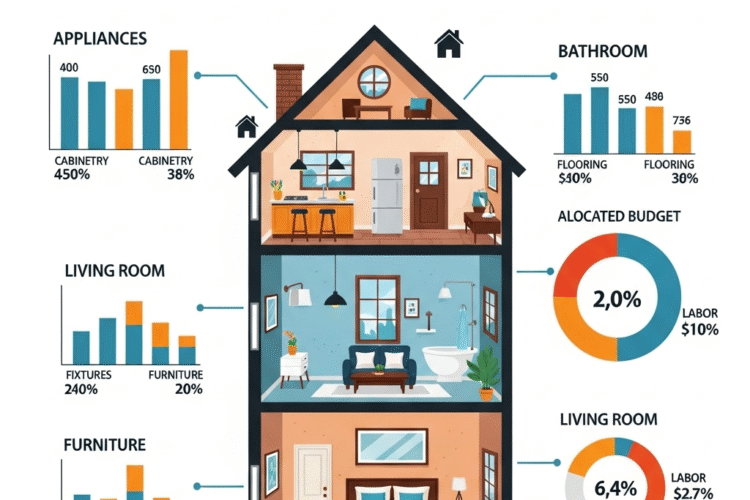
According to interior budget guides, the living room often accounts for 20–25% of the total interior budget. This includes essentials such as sofas, center tables, TV units, accent chairs, and lighting fixtures. A detailed interior budget guide helps allocate the right funds for each item, preventing overspending while achieving a cohesive, stylish look. By following interior budget guides, homeowners can invest in quality furniture and lighting that balances comfort with aesthetics.
Kitchen
Kitchens typically consume 25–30% of the total budget, making them one of the most critical areas in interior budget guides. This allocation covers modular designs, countertops, cabinets, trolleys, chimneys, and appliances. Using an interior budget guide ensures that homeowners get a functional yet stylish kitchen without exceeding planned expenses. Strategic planning through interior budget guides also helps prioritize essential appliances and high-quality modular components for long-term durability.
Bedrooms
Bedrooms account for around 15–20% of the total budget according to interior budget guides. Major costs include wardrobes, beds, side tables, and lighting fixtures. A structured interior budget guide allows homeowners to distribute funds wisely, combining comfort, storage, and design. By following interior budget guides, even premium bedroom furniture and accessories can fit seamlessly into the overall budget.
Bathrooms
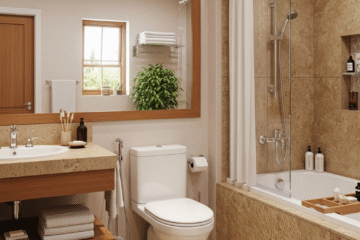
Bathrooms usually consume 10–15% of the interior budget. Interior budget guides recommend allocating funds for tiles, sanitary fittings, vanity units, mirrors, and lights. Using an interior budget guide ensures that bathrooms are both functional and stylish, with the right balance between luxury and affordability. Proper planning through interior budget guides avoids overspending on unnecessary fittings while focusing on long-lasting quality.
Balcony & Décor
Balconies and decorative spaces typically account for 5–10% of the budget. Interior budget guides suggest investing in planters, wall treatments, seating, and decorative finishes to create an inviting outdoor or decorative space. Following an interior budget guide allows for creative design without exceeding the allocated budget, ensuring that every corner of the home reflects style and personality.
Benefits of Using Interior Budget Guides for Every Space
- Prevents Overspending: An interior budget guide ensures each room stays within its financial limits.
- Improves Planning: Detailed interior budget guides allow systematic allocation across living rooms, kitchens, bedrooms, bathrooms, and balconies.
- Enhances Value: Following an interior budget guide ensures high-quality investments in furniture, fixtures, and finishes.
- Saves Time: Contractors work efficiently when guided by interior budget guides.
- Boosts Confidence: Homeowners feel secure knowing that every decision aligns with the interior budget guide.
How Interior Budget Guides Transform Home Design
Interior budget guides provide a clear roadmap for allocating resources, prioritizing essentials, and balancing aesthetics with functionality. By relying on interior budget guides, homeowners can ensure every room—from the living room to the balcony—receives attention without financial strain. A structured interior budget guide allows for smart spending, creating a cohesive and stylish home within budget.
In conclusion, interior budget guides are indispensable for effective financial planning and smart interior design. They provide clarity, control, and confidence, ensuring every space is beautifully furnished while adhering to the planned budget.
Tips to Save Money Using Home interior cost guides
When it comes to designing your dream home, staying within budget can be challenging. The excitement of choosing furniture, finishes, and décor often leads to overspending. This is where Home interior cost guides become invaluable—they provide structured financial planning and help you make smart choices without compromising on style or quality. Below are elaborated strategies to save money while ensuring your home interiors remain stylish, functional, and long-lasting.
1. Choose Modular Furniture Instead of Custom Carpentry
Modular furniture has become one of the most cost-effective solutions for modern homes. Unlike traditional carpentry, which is labor-intensive, time-consuming, and often unpredictable in terms of cost, modular furniture is factory-made and precision-engineered.
- Faster Execution: Since modular furniture is pre-fabricated, it significantly reduces on-site work. Your kitchen cabinets, wardrobes, and storage units are delivered ready to install, saving weeks of labor time.
- Durability: Manufactured in controlled environments, modular pieces maintain consistent quality. They often use termite-resistant boards, laminates, and hardware that lasts longer.
- Cost-Effective: Carpentry work involves daily labor charges, material sourcing, and constant supervision. Modular options cut down hidden expenses and allow you to choose packages based on your budget.
- Flexibility: Modular units are easy to reconfigure, add, or remove later, which reduces costs when upgrading interiors in the future.
2. Use Laminates or Veneers Instead of Solid Wood
While solid wood looks elegant and luxurious, it is expensive and requires high maintenance. Laminates and veneers offer a similar aesthetic at a fraction of the cost.
- Laminates: Available in hundreds of colors, patterns, and textures, laminates are scratch-resistant, easy to clean, and affordable. They are ideal for cabinets, wardrobes, and wall panels.
- Veneers: If you love the natural wood look, veneers—thin slices of real wood pasted on engineered boards—give you the same charm as solid wood but at much lower prices.
- Savings: Using laminates or veneers instead of solid wood can cut costs by nearly 40–60% while still offering durability and elegance.
3. Mix Branded Materials with Quality Local Alternatives
One of the most effective ways to balance budget and quality is to strategically mix premium branded products with trusted local alternatives.
- Where to Invest in Brands: For essentials like electrical fittings, plumbing fixtures, and hardware, go for reputable brands to ensure safety and longevity.
- Where to Opt for Local: For elements like wall tiles, basic furniture, or soft furnishings, local manufacturers often provide excellent quality at a reduced cost.
- Balanced Approach: This hybrid strategy ensures that your interiors don’t feel cheap, yet you don’t overspend on elements that can be easily substituted.
4. Invest in High-Quality Essentials, Save on Secondary Décor
Not every aspect of your interior requires luxury-level spending. The key is to invest heavily in essentials while keeping décor flexible and budget-friendly.
- High-Quality Essentials: Kitchens, wardrobes, flooring, and electrical fittings fall into the category of must-haves. Spending more here ensures durability, safety, and daily comfort.
- Secondary Décor: Decorative accessories, artwork, and soft furnishings can be upgraded or changed over time. By choosing affordable options initially, you can refresh your space later without breaking the bank.
- Result: This method ensures that the “backbone” of your interiors remains strong, while you keep design flexibility for seasonal updates and personal preferences.
5. Take a DIY Approach to Small Décor Additions
DIY (Do-It-Yourself) not only saves money but also adds a personalized touch to your interiors.
- Indoor Plants: Instead of buying expensive planters or decorative greens, create your own arrangement using affordable pots, recycled jars, or terracotta containers.
- Wall Art: Frame your own photographs, paint simple canvases, or use wall decals to make budget-friendly art pieces that reflect your personality.
- Cushions & Accessories: Experiment with fabrics, old sarees, or leftover upholstery to create unique cushion covers or table runners.
- Savings: DIY projects often cost less than 20–30% of store-bought décor and make your home truly one of a kind.
Plan Your Dream Home Within Budget Today!
Explore Our Interior Budget Guides – Get expert tips, detailed cost breakdowns, and personalized budget planning for every room.
Budget-Friendly vs. Premium Interiors
• Budget-Friendly Interiors – These typically use pre-laminated boards, factory-fitted furniture, standard paints, and minimal décor. They are practical, functional, and easy to maintain.
• Premium Interiors – Characterized by imported marbles, veneer finishes, designer lighting, custom-made furniture, and smart home features. They create a luxurious experience but require a higher budget.
SPACE – Suggestion: Want to balance luxury and budget in your interiors?
Contact InteriorGrid.com Social Media for professional budget planning.
Common Mistakes in Interior Budgeting
• Ignoring hidden costs like GST, transportation, and installation.
• Not setting aside funds for maintenance.
• Over-prioritizing décor and ignoring functionality.
• Skipping professional consultation.
Conclusion
Home interior cost guides act as roadmaps for homeowners, ensuring financial discipline while achieving dream interiors. By breaking down costs, comparing options, and planning room-by-room, you can create a home that is stylish, functional, and affordable. Whether you prefer budget-friendly or premium designs, smart budgeting ensures long-term satisfaction.
At InteriorGrid.com, we specialize in crafting Home interior cost guides that save money while maximizing value. With our expertise, you can enjoy high-quality interiors that reflect your lifestyle—without financial stress.