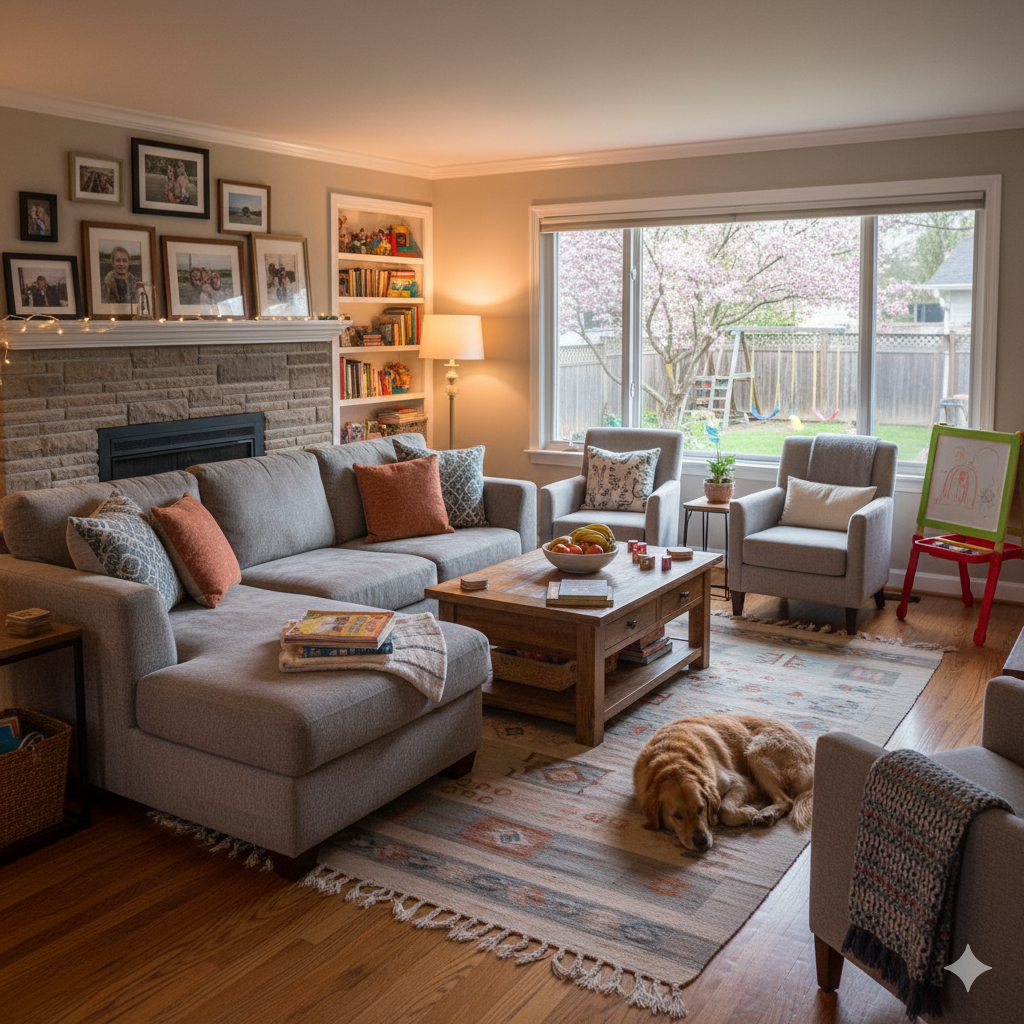
Family Homes: Practical Tips and Inspirations for Comfortable Living
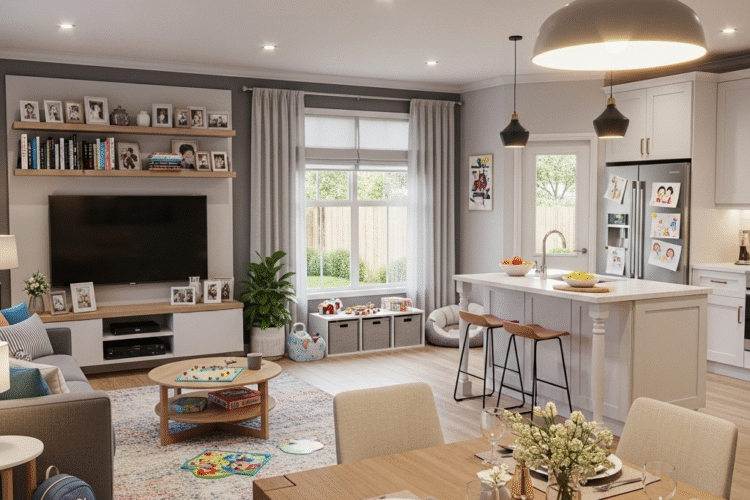
Family homes are spaces where comfort, style, functionality, and safety converge to create a harmonious living environment. Designing for a family requires careful planning, considering the needs of every member—from toddlers and teenagers to adults and elders. Every choice, from furniture placement, flooring materials, and lighting to storage solutions and décor, impacts how well a home supports daily life. Family homes are not just about aesthetics; they prioritize practicality, flexibility, and long-term usability.
Balancing Style with Functionality
A key principle in family homes is maintaining a balance between style and functionality. Interiors should be safe for children, accessible for elders, and efficient for busy routines. Open layouts allow smooth movement, while zones for privacy, recreation, and family interaction ensure that each member has space suited to their needs. Thoughtful planning also incorporates adequate storage, minimizing clutter while maintaining visual appeal.
Child-Friendly Interiors
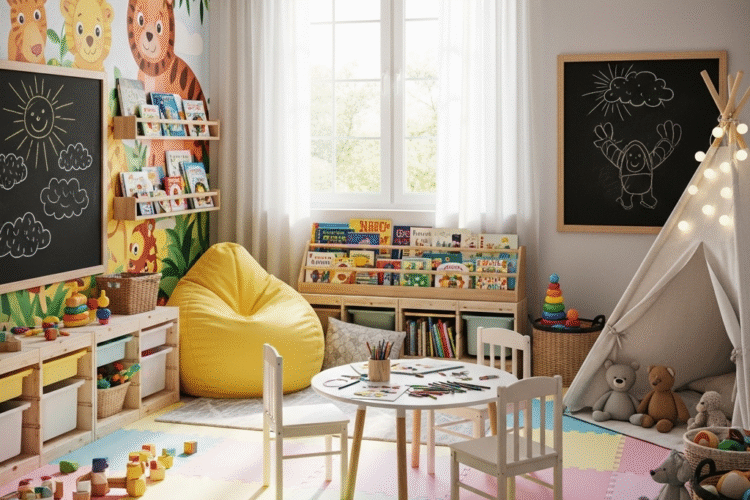
One of the most critical aspects of family homes is creating child-friendly interiors. Safety is paramount—rounded furniture edges, anti-slip flooring, and secure cabinets prevent accidents. Smart storage solutions, such as toy organizers, low-height shelves, and multi-functional furniture, help maintain order while enabling children to access their belongings independently.
Colors and textures play an important role in family home interiors. Vibrant tones, playful patterns, and interactive wall features create engaging areas for kids, while softer, calming shades in bedrooms and study corners support rest, focus, and relaxation.
Long-Term Usability and Flexibility
Family homes also emphasize adaptability. Furniture and layouts should evolve with the family’s changing needs—modular wardrobes, convertible sofas, and flexible study or play areas ensure spaces remain relevant over time. Integrating durable materials, easy-to-clean surfaces, and thoughtful lighting further enhances usability and reduces long-term maintenance.
Conclusion
Designing a family home is about more than decorating; it’s about creating spaces that nurture comfort, safety, and togetherness while remaining stylish and practical. By prioritizing functionality, child safety, and flexible design, a family home becomes a supportive environment for all members, balancing play, work, rest, and interaction seamlessly.
Table of Contents
Looking for expert advice to design safe and stylish Family Homes?
Connect with InteriorGrid.com professionals today
Elder-friendly design
Elder-friendly design is equally important in Family Homes. Wider doorways, ramps, handrails, non-slip flooring, and accessible switches ensure safety and ease of movement. Bedrooms and bathrooms should be equipped with ergonomic furniture and supportive fixtures. These considerations not only protect elders but also provide peace of mind for the entire family.
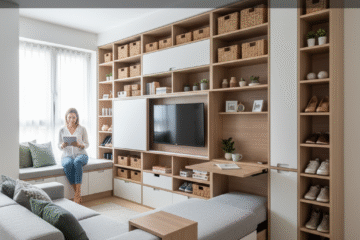
Storage solutions are vital in Family Homes. Families generate more belongings than single occupants, requiring intelligent storage options. Built-in wardrobes, under-bed storage, modular kitchen cabinets, and wall-mounted shelves optimize space. Multi-functional furniture, such as sofa beds and expandable dining tables, helps maximize usable areas while maintaining a clean, organized look.
Lighting in Family Homes
Lighting in Family Homes should combine ambient, task, and accent lighting. Bright and evenly distributed lighting ensures safe movement, especially for children and elders. Task lighting in kitchens, study areas, and workspaces improves functionality, while accent lights highlight décor elements, creating a welcoming and cozy environment. Energy-efficient LED lighting is trending in modern Family Homes due to durability and cost savings.
Flooring choices in Family Homes
Flooring choices in Family Homes are crucial for both safety and aesthetics. Non-slip tiles, laminated flooring, or vinyl surfaces are ideal for areas prone to spills or high foot traffic. Soft rugs or carpets in play areas add comfort and reduce the risk of injuries. Durability, ease of cleaning, and aesthetics should guide every flooring decision in a family-oriented home.
Family Homes often feature open layouts to encourage interaction and togetherness. Living rooms, dining areas, and kitchens should be connected without compromising functionality. Open-plan designs allow supervision of children, facilitate social interaction, and enhance natural light and ventilation. However, creating distinct zones with furniture placement, rugs, and partitions helps maintain privacy and organization.
Kitchen design in Family Homes is essential for convenience and safety. Modular kitchens with child locks, accessible storage, durable countertops, and easy-to-clean finishes streamline daily chores. Open shelving and labeled containers help children learn organization and independence while keeping everything within reach for adults. Materials like quartz, granite, and laminate are popular for durability and maintenance ease.
Bedrooms in Family Homes
Bedrooms in Family Homes – Balancing Comfort, Functionality, and Style
Bedrooms are the most personal and restful spaces in Family Homes, and their design must seamlessly combine comfort with functionality to meet the diverse needs of all family members. Each bedroom should not only provide a place to sleep but also cater to the individual lifestyle and daily activities of its occupants.
Children’s Bedrooms – Dynamic and Organized Spaces
Children’s rooms are highly dynamic as they evolve with age. Adjustable furniture such as convertible cribs, height-adjustable study tables, and modular wardrobes allow the room to adapt as the child grows. Bunk beds or loft beds maximize floor space while creating room for play, study, or additional storage beneath. Ample storage options like toy bins, colorful cabinets, and wall-mounted shelves help children keep their belongings organized while also making cleanup easy and engaging. Bright colors, playful themes, and interactive walls with blackboards or decals encourage creativity and make the bedroom a nurturing environment.
Teenagers’ Bedrooms – Spaces for Growth and Independence
Teenagers need multifunctional bedrooms that support both productivity and leisure. A well-planned study zone with ergonomic chairs, sufficient desk space, and good task lighting fosters focus and academic performance. Relaxation zones with cozy couches, bean bags, or reading corners provide a comfortable retreat for downtime or socializing with friends. Storage solutions like larger wardrobes, organizers, and smart shelving are essential for managing clothes, books, gadgets, and hobby items. Teen bedrooms often reflect individuality, so incorporating elements like posters, themed décor, or bold accent walls allows self-expression while maintaining functionality.
Master Bedrooms – A Serene Retreat for Adults
The master bedroom is the sanctuary of the home, designed to offer peace and rejuvenation for adults. A calming color palette of neutrals, soft lighting, and clutter-free layouts enhances relaxation. Ergonomic furniture such as high-quality mattresses, supportive chairs, or reading nooks ensures both comfort and long-term health benefits. Smart storage solutions, walk-in wardrobes, and minimalistic décor help maintain a serene, organized environment. Additionally, luxury elements like upholstered headboards, textured fabrics, and ambient lighting can elevate the space into a restful yet stylish retreat.
Universal Bedroom Considerations in Family Homes
Across all bedrooms, certain elements remain essential. Proper ventilation is critical for maintaining air quality and ensuring restful sleep. Natural lighting, when paired with layered artificial lighting solutions (ambient, task, and accent), enhances functionality while setting the right mood. Safety considerations such as rounded furniture edges, non-toxic paints, and sturdy fittings are crucial, especially in children’s bedrooms. For all age groups, ergonomic furniture supports posture and health, ensuring that bedrooms remain not just stylish but also practical and sustainable.
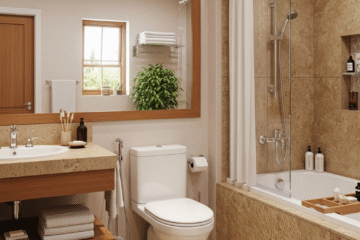
Bathrooms must be safe and functional in Family Homes. Anti-slip tiles, grab bars, accessible sinks, and shower designs accommodating children and elders improve usability. Adequate storage for toiletries, towels, and cleaning supplies maintains cleanliness while enhancing convenience. Simple yet elegant finishes balance style with practicality.
Balconies, patios, and outdoor areas are integral to Family Homes. These spaces can be transformed into play areas, gardening zones, or seating spaces for relaxation. Child-safe railing designs, non-slip flooring, and comfortable furniture make these zones both enjoyable and secure. Outdoor spaces extend the living area and improve quality of life for the entire family.
Technology integration is increasingly part of modern Family Homes. Smart lighting, thermostats, security systems, and home automation improve convenience, energy efficiency, and safety. In busy households, these technological solutions simplify daily tasks and ensure better monitoring of children and elders.
Family Homes require thoughtful décor choices that appeal to all generations. Neutral bases with colorful accents allow flexibility and personalization. Durable fabrics, washable surfaces, and stain-resistant materials are practical choices. Art, photographs, and personal touches create a warm and inviting environment that reflects the family’s personality.
Sustainability
Sustainability as a Growing Trend in Family Homes – Sustainability in modern family homes goes beyond design, influencing health, finances, and the environment. Eco-friendly materials like bamboo, reclaimed wood, recycled metal, and low-VOC paints are widely used, while energy-efficient appliances and water-saving fixtures reduce consumption. Indoor plants enhance aesthetics, improve air quality, and create a calming atmosphere. Sustainable choices lower long-term costs, promote responsible resource use, and foster eco-conscious habits in the family.
Optimizing Storage and Organization in Family Homes – Managing storage in multi-member homes can be challenging. Proper planning ensures every item has a place, reducing clutter and improving functionality. Walk-in closets, modular wardrobes, and under-bed storage organize clothes and personal items, while pantry organizers, pull-out drawers, and wall racks streamline kitchens. For kids, toy bins, labeled baskets, and multi-purpose furniture maximize space and encourage tidiness. Living areas benefit from hidden compartments, shelving, and vertical storage. Addressing storage during planning creates a cohesive, efficient, and disruption-free home.
Integrating Sustainability with Smart Storage – Combining eco-friendly materials with practical storage solutions enhances both environmental responsibility and everyday convenience. For instance, furniture made from reclaimed wood or recycled composites can double as storage units, reducing the need for extra pieces. Energy-efficient lighting in closets and cabinets improves usability while lowering power consumption. Thoughtful design ensures that every corner—from kitchens and bedrooms to play areas and bathrooms—contributes to a sustainable, organized, and aesthetically pleasing home. Families adopting these practices not only enjoy a clutter-free living space but also create a future-ready home that reflects conscious design choices.
Explore innovative designs and materials for Family Homes with InteriorGrid.com experts today.
Room layouts in Family Homes must balance communal and private spaces. Living rooms, kitchens, and dining areas encourage family interaction, while bedrooms, study zones, and personal corners provide solitude. Open-plan layouts combined with strategically placed furniture and partitions achieve this balance.
Acoustics and noise management are critical in Family Homes. Soundproofing walls, rugs, and soft furnishings reduce disturbances, especially in multi-story or shared spaces. Quiet zones for studying or working enhance productivity and comfort for all family members.
Maintenance considerations are essential when selecting materials and finishes in Family Homes. High-traffic areas like kitchens, hallways, and bathrooms benefit from durable, easy-to-clean materials. Children’s areas may require washable paints and scratch-resistant furniture finishes. Choosing resilient materials ensures longevity and reduces recurring maintenance costs.
Family Homes also benefit from multi-functional spaces. Study areas, home offices, gyms, and playrooms can share zones, creating flexible spaces that adapt to changing needs. Modular furniture, movable partitions, and foldable units enable these transformations without permanent construction.
Color schemes in Family Homes are vital for creating a welcoming atmosphere. Neutral backgrounds with pops of color maintain sophistication while allowing playful accents. Coordinated colors across rooms promote cohesion, while individual accents in bedrooms and play areas personalize the space for children and adults.
Decorative lighting, wall art, and accessories in Family Homes add character and warmth. Personal touches, family photographs, and curated décor make homes unique. These elements should complement the overall style without cluttering the space.
Finally, Family Homes require ongoing evaluation and adaptation. As children grow, elder needs change, or lifestyles evolve, interiors should adapt accordingly. Flexible furniture, adjustable storage, and versatile layouts ensure that the home remains functional and stylish over time.
In conclusion, designing Family Homes is a balance of aesthetics, functionality, safety, and adaptability. Every choice—from materials, furniture, and finishes to lighting, flooring, and storage—impacts the comfort and usability of the home. By understanding the principles of Family Homes, integrating modern design trends, and planning for long-term needs, homeowners can create spaces that truly work for everyone in the family.