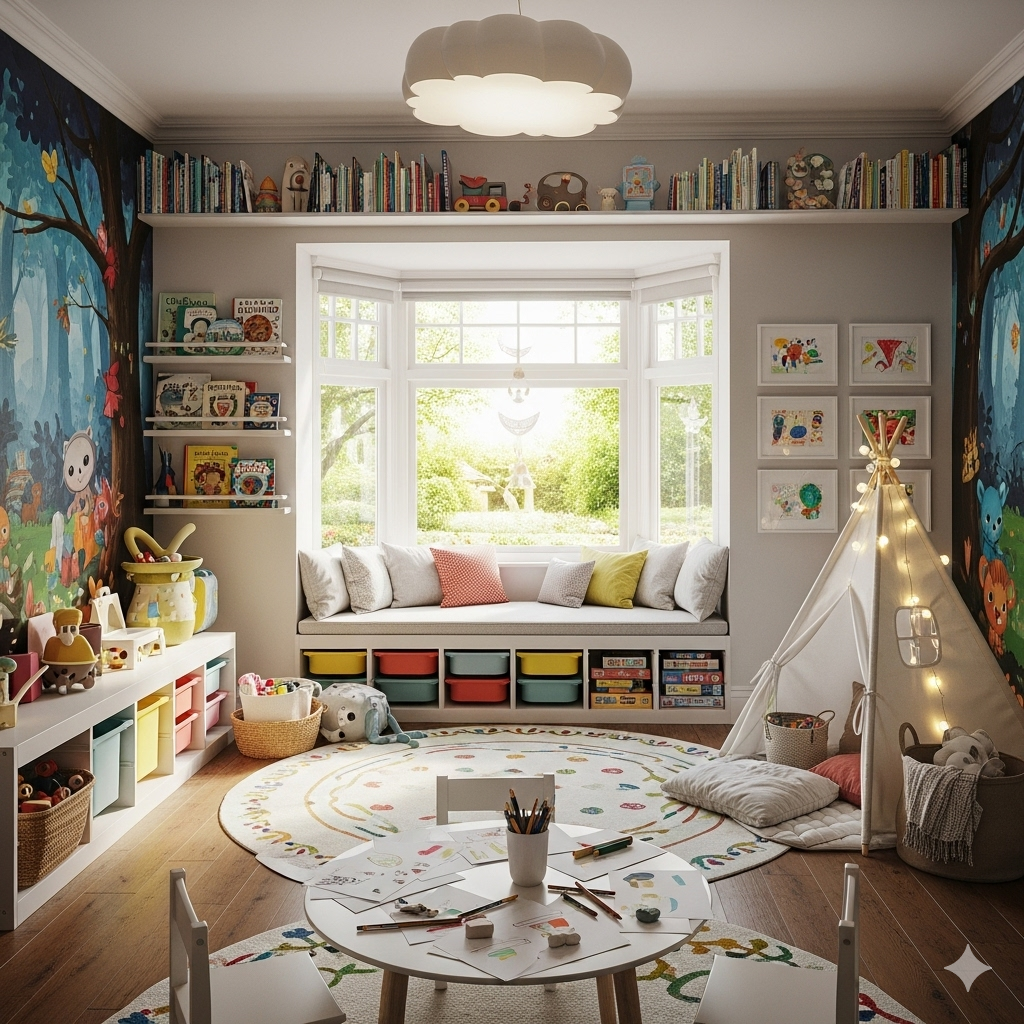
Kids Room Ideas | Age-Wise Room Designs for Toddlers, Kids & Teens
Designing a child’s room is more than just arranging furniture and adding décor. Kids Room Ideas about creating a space that grows with them, supports their development, and reflects their personality at every stage. Whether you are designing for a toddler discovering the world, a young child starting school, or a teenager finding independence, the right kids room ideas can make all the difference. This blog takes you through age-wise room designs for toddlers, kids, and teens, with practical tips, design inspiration, and expert interior insights.
Table of Contents
Introduction to Kids Room Ideas
A child’s room is their safe haven. It’s where they play, learn, dream, and rest. A thoughtfully designed room helps them feel secure and nurtures creativity. Age-wise room design is important because children’s needs evolve with time. What works for a toddler may not suit a teenager, and what excites a school-going child may feel “too kiddish” for a pre-teen. With the right planning, you can create a timeless yet adaptable kids’ room that grows with your child.
SPACE – Suggestion: Looking to design the perfect kids room?
Connect with InteriorGrid.com today and get expert interior designers at your service!
Kids Room Ideas for Toddlers (1–3 years)
Toddlers are curious explorers. Their room should be safe, colorful, and filled with opportunities to learn.
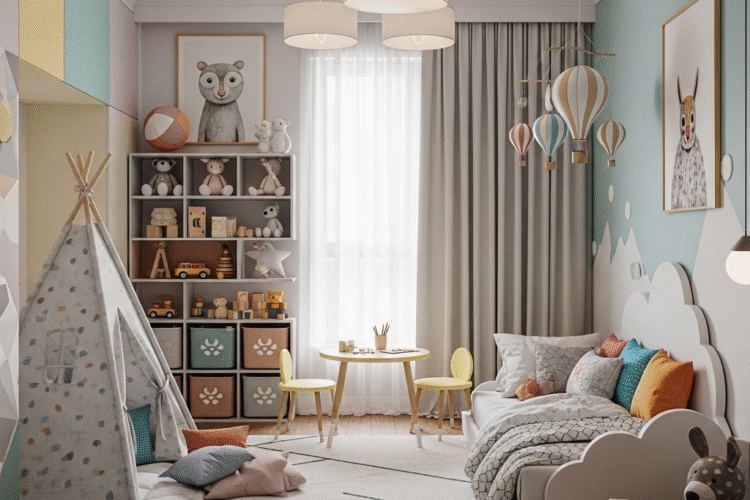
Toddlers are curious explorers, and Kids Room Ideas in 2025 focus on creating spaces that are safe, colorful, and filled with opportunities to learn. Thoughtful design of play, sleep, and study areas ensures that children can develop creativity, independence, and good habits from an early age. When exploring Kids Room Ideas, designers prioritize functionality, safety, and fun while maintaining aesthetic appeal for the entire home.
Safety First in Kids Room Ideas
Safety is the foundation of all effective Kids Room Ideas. Rooms for toddlers should include rounded furniture edges, soft mats, non-toxic paints, and secure window guards. In Kids Room Ideas, incorporating padded seating, cushioned corners, and low-height storage ensures children can play freely without risk of injury. Designers often include anti-slip rugs and soft flooring options when implementing modern Kids Room Ideas.
Colorful and Stimulating Environments
Vibrant colors and engaging patterns are central to Kids Room Ideas. Walls painted in cheerful hues, themed murals, and colorful furniture help stimulate toddlers’ creativity. In 2025, Kids Room Ideas incorporate interactive wall decals, chalkboard walls, and magnetic boards to make learning and play seamless. Color coordination between bedding, rugs, and storage is a key element in successful Kids Room Ideas.
Learning Through Play in Kids Room Ideas
Kids Room Ideas increasingly blend education with fun. Play zones may include puzzles, building blocks, and mini activity stations, supporting cognitive and motor skills. Montessori-inspired layouts are popular in Kids Room Ideas, with open shelves for toys and books that encourage self-directed learning. By prioritizing learning through play, these Kids Room Ideas foster both creativity and independence.
Functional and Organized Storage Solutions
Clutter-free spaces are a hallmark of thoughtful Kids Room Ideas. Storage solutions such as under-bed drawers, modular shelving, wall-mounted cubbies, and toy bins with labels help toddlers learn organization skills early. In modern Kids Room Ideas, multi-purpose furniture like beds with built-in storage or seating with compartments maximizes space while keeping the room tidy and safe.
Flexible Spaces in Kids Room Ideas
As toddlers grow, their needs evolve, making flexibility a priority in Kids Room Ideas. Convertible furniture, foldable desks, and modular play areas allow rooms to adapt to different ages and activities. By designing flexible spaces, modern Kids Room Ideas ensure longevity and practicality while keeping the environment exciting and engaging.
Why These Kids Room Ideas Work
- Safety and Comfort – Prioritizing secure furniture, soft surfaces, and non-toxic materials.
- Visual Stimulation – Colors, textures, and interactive elements make spaces engaging.
- Educational Play – Play-based learning supports skill development.
- Organization and Functionality – Efficient storage keeps rooms clutter-free.
- Flexibility for Growth – Adaptable furniture supports evolving needs.
By incorporating safety, vibrant colors, play-based learning, organized storage, and flexibility, Kids Room Ideas in 2025 create environments that are fun, educational, and safe for toddlers. Designers and parents can use these Kids Room Ideas to craft spaces that nurture curiosity, independence, and creativity while remaining practical for everyday life.
Creating a safe and engaging environment for toddlers in their rooms is essential for both their growth and the peace of mind of parents. Safety First is the top priority: rounded furniture edges prevent accidental bumps, covered electrical sockets avoid shocks, non-toxic paints protect from harmful chemicals, and secured shelves ensure that heavy items don’t topple over. Every element should be chosen with safety in mind without compromising on style.
Playful Themes make a toddler’s room more inviting and fun. Children respond positively to themed décor, such as animals, cars, fairytales, or jungle-inspired walls. These visual elements not only spark imagination but also create a sense of ownership and excitement in their personal space.
Low Furniture is crucial for accessibility. Floor beds or low cots allow toddlers to climb in and out safely on their own, promoting independence. Similarly, storage solutions like toy bins, shelves, and drawers should be positioned at their height, enabling them to reach and put away items without assistance.
Interactive Walls add a dynamic learning and play component. Blackboard walls, magnetic boards, wall stickers, and soft boards encourage toddlers to draw, write, and experiment creatively. This also gives parents the ability to rotate activities and keep the room engaging over time.
Storage Solutions should combine practicality with fun. Large toy bins, baskets, and cubbies allow children to participate in tidying up, making organization a playful activity. By integrating safety, accessibility, creativity, and effective storage, a toddler’s room can become a stimulating, secure, and joyful space that supports early development and independence.
Kids Room Ideas for School-Going Children (4–10 years)
At this stage, kids need a balance of fun and functionality. Their room should inspire learning and play.
As children grow, their needs evolve, and Kids Room Ideas in 2025 emphasize a balance of fun and functionality. Rooms should be designed to inspire learning, creativity, and play while remaining organized and adaptable. Thoughtful implementation of Kids Room Ideas ensures that spaces are both engaging for children and practical for parents.
Creating Zones for Play and Study in Kids Room Ideas
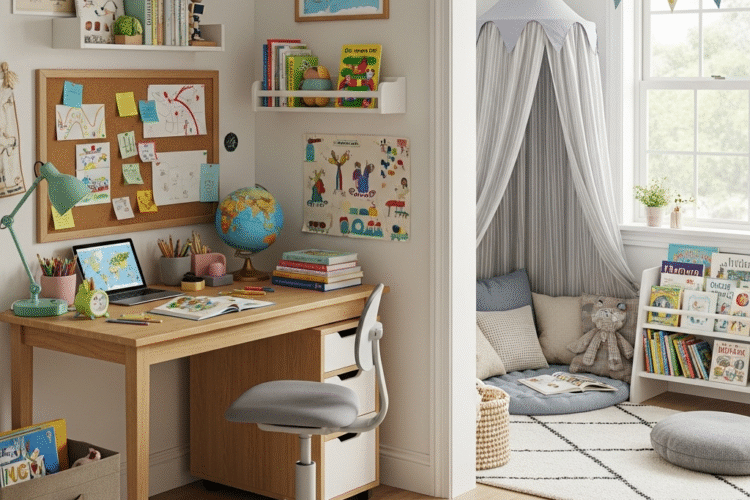
Successful Kids Room Ideas divide the room into functional zones. A dedicated study corner with an ergonomic desk and proper lighting fosters focus, while a separate play area with toys, games, and creative materials encourages exploration. In modern Kids Room Ideas, using rugs, shelving, or furniture placement helps define these zones clearly, making the room both safe and stimulating.
Incorporating Interactive and Educational Elements
Kids Room Ideas increasingly integrate interactive elements like magnetic boards, chalk walls, and sensory play stations. These features make learning a part of everyday play, supporting cognitive and motor skill development. In 2025, designers of Kids Room Ideas prioritize educational engagement alongside fun, ensuring that the room inspires curiosity and creativity.
Storage Solutions in Kids Room Ideas
Organization is a core component of practical Kids Room Ideas. Modular shelves, under-bed storage drawers, and labeled toy bins help children learn responsibility and maintain a tidy space. Multi-purpose furniture—such as beds with pull-out storage or benches with compartments—supports clutter-free interiors while maximizing functionality. In Kids Room Ideas, smart storage balances the needs of growing children with parental convenience.
Color, Texture, and Visual Appeal in Kids Room Ideas
Colors and textures play a key role in modern Kids Room Ideas. Bright walls, patterned rugs, and colorful furniture make the space engaging, while soft textiles and padded seating ensure comfort and safety. Designers often blend themes, pastel accents, and playful motifs to create an environment that feels lively yet harmonious. These elements are essential in Kids Room Ideas that aim to inspire imagination and joy.
Flexibility and Adaptability in Kids Room Ideas
As children grow, their needs change, and flexible furniture and layouts are central to forward-thinking Kids Room Ideas. Foldable desks, convertible beds, and movable storage units allow the room to evolve from early childhood to pre-teens. Adaptable design ensures that Kids Room Ideas remain relevant and functional over time, reducing the need for frequent renovations.
Why These Kids Room Ideas Work
- Balanced Fun and Learning – Play areas and study zones coexist harmoniously.
- Interactive and Educational – Supports cognitive, motor, and creative development.
- Organized and Functional – Storage solutions maintain clutter-free, practical spaces.
- Safe and Comfortable – Padded furniture, soft rugs, and child-friendly materials.
- Flexible Design – Adapts to children’s evolving needs, ensuring longevity.
By combining play, study, storage, and adaptable design, modern Kids Room Ideas create environments that are fun, functional, and inspiring. These Kids Room Ideas help children develop independence, creativity, and learning habits while maintaining a safe and practical living space for everyday life.
Designing a child’s room that balances learning, play, and personal expression is essential for fostering growth and independence. A well-planned study zone is critical. Incorporate a study table with ergonomic seating to support proper posture during homework or creative projects. Adequate lighting, such as a desk lamp with adjustable brightness, ensures minimal eye strain, while organized stationery holders and book racks encourage responsibility and routine.
Adding a personal touch allows children to feel ownership over their space. Let them choose wall colors, bedding, or posters that reflect their hobbies, favorite characters, or personal tastes. This not only makes the room visually engaging but also instills a sense of pride and individuality, enhancing emotional well-being.
Smart storage solutions are vital to maintaining a tidy and functional environment. Utilize under-bed drawers, wall-mounted shelves, and storage benches to keep toys, books, and art supplies organized. Labeling bins and baskets can teach children to manage their belongings efficiently, while keeping frequently used items within easy reach promotes independence.
A dedicated play corner encourages active engagement and creativity. Equip this area with toys, board games, art supplies, or a small activity table. Having a designated space for play ensures that the rest of the room remains uncluttered, while providing children with a safe and stimulating environment to explore and learn through hands-on activities.
Incorporating multi-functional furniture is especially helpful for smaller rooms. Bunk beds with built-in storage, convertible desks, or foldable seating maximize space efficiency without compromising comfort. These smart furniture choices allow the room to adapt to changing needs as children grow, combining practicality with style.
By thoughtfully integrating a study area, personal touches, efficient storage, play zones, and multi-functional furniture, a child’s room becomes a harmonious environment that supports learning, creativity, and personal growth while remaining organized and enjoyable.
SPACE – Suggestion: Transform your child’s room with customized designs.
Contact InteriorGrid.com for modern kids room ideas.
Teen Room Designs (11–18 years)
Teenagers want independence and personal expression. Their room is their world – a mix of study, relaxation, and social space.
• Designing a teenager’s room requires a careful balance between style, functionality, and personal expression. Stylish Themes play a crucial role in reflecting their personality and interests. Popular choices include minimalist designs for a clean, clutter-free environment, boho styles for a creative and eclectic vibe, industrial themes for a modern, urban feel, and chic contemporary layouts that combine elegance with practicality. By involving teens in selecting themes, the room becomes a space that resonates with their tastes and identity.
A Functional Study Setup is essential to foster focus and productive habits. A larger desk with ample workspace allows for books, laptops, and stationery, while ergonomic chairs support posture during long study sessions. Proper lighting, such as task lamps and adjustable overhead lighting, reduces eye strain and ensures a comfortable study environment. Incorporating bookshelves, magazine racks, and storage for academic materials keeps the area organized and inspires a disciplined approach to learning.
An Entertainment Zone caters to social interactions and relaxation. Teenagers often enjoy spending time with friends in their room, so a cozy couch, bean bags, or a gaming corner can make the space inviting. Integrating tech-friendly elements like charging stations for gadgets, speakers, or small media units enhances their comfort and connectivity while maintaining a stylish aesthetic.
The Color Palette sets the tone and atmosphere of the room. Neutral tones like beige, gray, or soft whites provide a sophisticated base, while bold accent colors—such as vibrant blues, greens, or pastels—introduce energy and personality. This combination allows for a mature, refined look while retaining a youthful, dynamic vibe that appeals to teenagers.
Storage & Wardrobe solutions are indispensable in teen rooms. Bigger wardrobes, modular closets, and well-organized drawers accommodate clothing, shoes, accessories, and tech gadgets efficiently. Open shelving or cube organizers for books, trophies, or collectibles keeps the room tidy and visually appealing. Multi-functional furniture, like beds with drawers underneath or ottomans with hidden storage, further optimizes space.
By thoughtfully combining stylish themes, a functional study setup, an inviting entertainment zone, a balanced color palette, and smart storage solutions, a teenager’s room transforms into a personalized haven that promotes creativity, independence, and comfort while supporting both academic and social activities.
Smart Tips for All Age-Wise Room Designs
Designing a child’s room requires a balance between functionality, safety, and adaptability, ensuring the space grows alongside your child. Choose durable furniture that can withstand daily use while remaining stylish. Opt for materials like solid wood, high-quality laminates, or metal frames that are built to last. Furniture pieces should be versatile, able to serve multiple purposes over the years—from toddlerhood through teenage years.
Invest in adjustable beds, modular wardrobes, and flexible décor to maximize utility and future-proof the room. Adjustable beds can change in size as children grow, while modular wardrobes with movable shelves accommodate changing clothing and storage needs. Flexible décor elements, such as interchangeable cushions, rugs, and curtain sets, allow for seasonal updates or evolving preferences without major redesigns.
Prioritize natural light, ventilation, and calming colors to create a healthy and nurturing environment. Large windows, skylights, or well-placed lighting fixtures ensure that the room feels airy and bright, supporting both study and play. Calming colors like soft blues, greens, or neutrals can reduce stress, improve focus, and create a serene backdrop that complements the child’s energy levels and moods.
Use wallpapers, decals, or removable décor to introduce fun and creativity into the room. Wall decals featuring animals, alphabets, or favorite characters are easy to update as children grow. Removable wallpapers or themed panels allow for quick makeovers without committing to permanent changes. This flexibility ensures the room evolves with the child’s interests, maintaining a fresh and engaging atmosphere.
By combining durability, flexibility, natural elements, and adaptable décor, you can design a child’s room that is not only functional and safe but also visually stimulating and responsive to their developmental needs.
SPACE – Suggestion: Ready to create your dream kids room?
Explore InteriorGrid.com for expert design solutions today!
Conclusion
Designing kids’ rooms with age-wise room ideas ensures comfort, creativity, and practicality at every stage of childhood. From playful toddler spaces to functional school-age rooms and stylish teenage retreats, the right design can nurture your child’s growth while keeping your home aesthetically pleasing. With InteriorGrid.com, you can access curated design solutions that bring the best kids room ideas to life.