For Professionals: Ultimate Guide to Interior Design Success
For Professionals in the interior design industry, staying competitive requires constant learning, efficient project management, and effective client communication. Whether you are an interior designer, contractor, or vendor, leveraging the right tools and resources ensures that your projects are executed flawlessly, client satisfaction is maximized, and business growth is achieved. For Professionals, understanding the latest trends, best practices, and platform opportunities is key to staying ahead.
Joining platforms like InteriorGrid.com can provide a significant advantage for professionals. These platforms offer exposure, networking opportunities, and access to a wide range of clients looking for interior solutions. For Professionals, having a profile on InteriorGrid.com not only showcases your portfolio but also allows you to receive project leads, engage with clients directly, and position yourself as an expert in your field.
Table of Contents
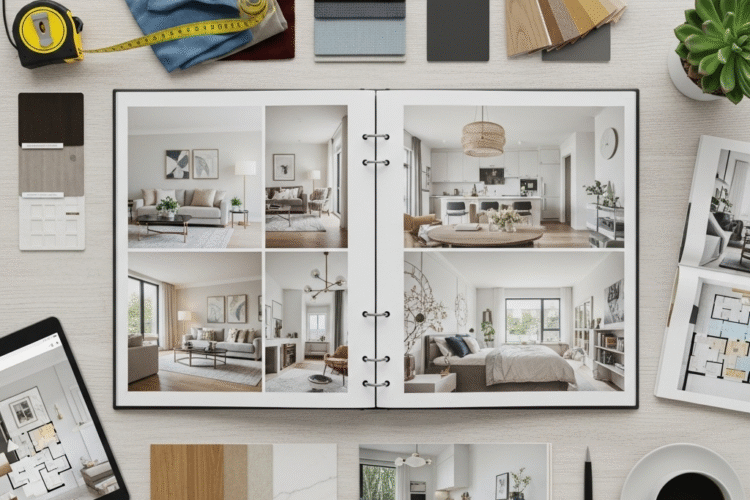
One of the most critical aspects For Professionals is portfolio management. A well-organized and visually appealing portfolio demonstrates your expertise, creativity, and reliability. Showcasing completed projects, before-and-after transformations, material selections, and design variations builds credibility and attracts potential clients. For Professionals, keeping the portfolio updated and highlighting unique solutions differentiates you in a competitive market.
Project management
Project management is another essential focus For Professionals. Efficient planning, scheduling, budgeting, and resource allocation ensure timely completion of projects. For Professionals, using digital tools and software can simplify project tracking, task delegation, and client communication. Regular updates, milestone reporting, and transparent billing practices enhance client trust and satisfaction.
Marketing strategies are vital For Professionals to reach a broader audience. Social media marketing, website optimization, blog content, and collaborations with vendors or other designers amplify your visibility. Platforms like InteriorGrid.com provide a built-in audience of homeowners and clients actively seeking interior services. For Professionals, leveraging these platforms increases lead generation, brand recognition, and project opportunities.
For Professionals, understanding client requirements is crucial. Effective communication, attentive listening, and clear presentations of design options ensure that client expectations are met. From concept discussions to material selection and final execution, For Professionals, maintaining consistent communication reduces misunderstandings and enhances project outcomes.
Financial management
Financial management is a key component For Professionals. Accurate cost estimation, budgeting, invoicing, and managing material and labor expenses ensure profitable projects. For Professionals, providing transparent quotes and avoiding hidden costs increases client satisfaction and long-term business relationships.
Continuous learning is essential For Professionals to remain updated with design trends, construction techniques, materials, and technology. Attending workshops, online courses, industry conferences, and collaborating with peers allows professionals to refine skills and bring innovative solutions to their clients. For Professionals, investing in knowledge ensures high-quality services and competitive advantage.
Vendor relationships
Vendor relationships are crucial For Professionals. Reliable vendors provide quality materials, timely delivery, and cost-effective solutions. Building long-term partnerships with vendors ensures smooth execution of projects. For Professionals, maintaining professional relationships and clear agreements improves efficiency and reduces project delays.
For Professionals, time management is vital. Balancing multiple projects, client meetings, design revisions, and site visits requires effective planning. Prioritizing tasks, delegating responsibilities, and using scheduling tools allow professionals to maximize productivity and meet deadlines consistently.
Legal considerations
Legal considerations are also important For Professionals. Contracts, agreements, permits, and intellectual property protection safeguard both the professional and the client. Understanding regulatory requirements, safety standards, and documentation ensures that projects proceed without legal complications.
Technology integration is transforming the landscape For Professionals. 3D design software, virtual reality presentations, automated billing, and smart home solutions enhance client experience and project accuracy. For Professionals, embracing technology streamlines workflows, reduces errors, and elevates project quality.
Networking and community engagement
Networking and Community Engagement for Professionals – Active networking and participating in industry communities provide multiple advantages. Attending exhibitions, trade shows, seminars, and local events helps professionals increase visibility among peers, potential clients, and suppliers. Engaging in online forums and social media groups allows the sharing of ideas, tips, and case studies, which builds credibility and establishes a presence as a thought leader. Collaboration opportunities arise when professionals connect with vendors, contractors, or fellow designers, creating mutually beneficial partnerships that can lead to new projects, referrals, and joint ventures. For professionals, networking is not just about social interactions—it’s a strategic investment in business growth and long-term industry influence.
Client Satisfaction and Relationship Management – For professionals, the foundation of success lies in exceeding client expectations. Maintaining a structured feedback system, addressing queries promptly, and consistently delivering high-quality results ensures that clients remain satisfied and loyal. Satisfied clients often provide repeat business and act as brand ambassadors by recommending services to friends, family, or colleagues. Building strong client relationships also allows professionals to anticipate client needs, tailor solutions more effectively, and maintain long-term engagements, which is essential for reputation-building and revenue growth.
Marketing and Content Creation for Professionals – In today’s digital-first environment, marketing content is a critical tool for professionals. Writing informative blog posts, producing social media content, sending newsletters, and publishing case studies showcases expertise and thought leadership. Highlighting recent projects, interior design trends, and practical tips positions professionals as authorities in the field. Consistent content creation not only attracts new clients but also reinforces trust and credibility among existing contacts. Professionals who actively share insights demonstrate their knowledge, establish themselves as industry leaders, and increase their chances of securing high-value projects.
Training, Mentorship, and Skill Development – For professionals aiming to grow, investing in continuous learning and mentorship is invaluable. Experienced designers and architects can guide junior team members, share practical insights, and create structured pathways for skill enhancement. Training sessions on emerging design trends, sustainable practices, or software tools improve team efficiency and the quality of project execution. Mentorship programs foster talent retention and build a capable workforce, allowing professionals to scale operations while maintaining high standards of service.
Sustainability and Eco-Friendly Practices – Sustainability is no longer optional; it is increasingly expected by clients. Professionals who adopt energy-efficient solutions, eco-friendly materials, and green design principles not only contribute positively to the environment but also appeal to environmentally conscious clients. Incorporating solar lighting, recycled or certified materials, low-VOC paints, and water-efficient fixtures demonstrates commitment to responsible design. Staying updated on eco-friendly innovations ensures professionals remain competitive, marketable, and aligned with global interior design trends.
Workflow Optimization and Digital Tools – For professionals, managing multiple projects efficiently is key. Platforms like InteriorGrid.com provide integrated solutions for project management, client communication, vendor directories, and portfolio showcases. By centralizing administrative tasks, professionals can focus on creative design while reducing operational overhead. Workflow optimization tools also enable better tracking of project milestones, budgets, and client approvals, which enhances efficiency, minimizes errors, and ensures timely project delivery.
Risk Management for Professionals – Identifying potential challenges before they occur is crucial. Professionals must maintain contingency plans, secure insurance coverage, and implement quality control measures to reduce risks. Effective risk management minimizes delays, prevents cost overruns, and protects client relationships. By proactively mitigating issues, professionals maintain project stability, uphold their reputation, and provide peace of mind to clients. This proactive approach not only safeguards current projects but also builds confidence for future engagements.
For Professionals, continuous feedback loops improve performance. Regularly analyzing project outcomes, client feedback, and internal processes allows professionals to refine methods, enhance efficiency, and deliver superior results consistently.
Collaboration is central For Professionals. Working with architects, contractors, vendors, and clients collaboratively ensures seamless execution. Open communication, clear expectations, and mutual respect build trust and successful project outcomes.
For Professionals, branding and online presence are essential. Professional profiles, websites, and social media pages should reflect expertise, past projects, and client testimonials. A strong digital footprint increases credibility and attracts potential clients actively searching for professional services.
Training in modern design trends, construction methods, and materials equips For Professionals with skills to deliver contemporary solutions. Staying ahead in trends like modular furniture, smart home integration, and eco-friendly materials positions professionals as innovative and reliable service providers.
Time and cost efficiency
Time and Cost Efficiency for Professionals – In the fast-paced interior design industry, optimizing both time and cost is essential. Professionals can achieve this by implementing strategic planning, clear project timelines, and efficient resource allocation. Coordinating effectively with vendors, contractors, and suppliers ensures that materials are procured on schedule, labor is utilized optimally, and unexpected delays are minimized. Leveraging technology tools, such as project management software and digital workflow platforms, allows professionals to monitor milestones, track budgets, and streamline communication. Efficient execution not only reduces costs and avoids overruns but also enhances client satisfaction by delivering projects on time. Professionals who master execution efficiency can provide superior results while maintaining profitability, balancing creativity with practicality and resource management.
Conclusion: Keys to Thriving as a Professional in Interior Design – Success in the interior design industry is multidimensional and requires more than just artistic talent. For professionals, combining technical expertise with effective project management, strong client communication, and proactive marketing is crucial. Continuous learning—whether through workshops, certifications, or mentorship—ensures that professionals stay updated with evolving trends, sustainable practices, and innovative technologies. Leveraging platforms like InteriorGrid.com enhances visibility, streamlines administrative tasks, and allows professionals to showcase portfolios, manage client interactions, and coordinate vendors more efficiently.
Understanding modern design trends and integrating technology into workflow ensures that interiors are not only aesthetically pleasing but also functional, sustainable, and client-focused. Maintaining high standards of quality, from material selection to finishing touches, establishes credibility and builds a trusted reputation. Professionals who focus on these principles are able to attract a steady stream of clients, execute projects with efficiency, and adapt to changing market demands. Ultimately, success for professionals in interior design comes from the seamless integration of creativity, strategic planning, operational efficiency, and continuous growth—positioning them as reliable, innovative, and expert leaders in the industry.